Reputable Roofing Partner for High-Grade Home Protection
Picking a trustworthy roofing contractor is an important selection for homeowners. A skilled professional guarantees compliance with industry standards and reduces potential risks. The right contractor not only delivers personalized solutions but also prioritizes robust communication and trustworthiness. This foundation produces a secure and fortified home. However, the process of finding such a contractor demands more than just a quick search. Recognizing the key qualities and factors can make all the difference.
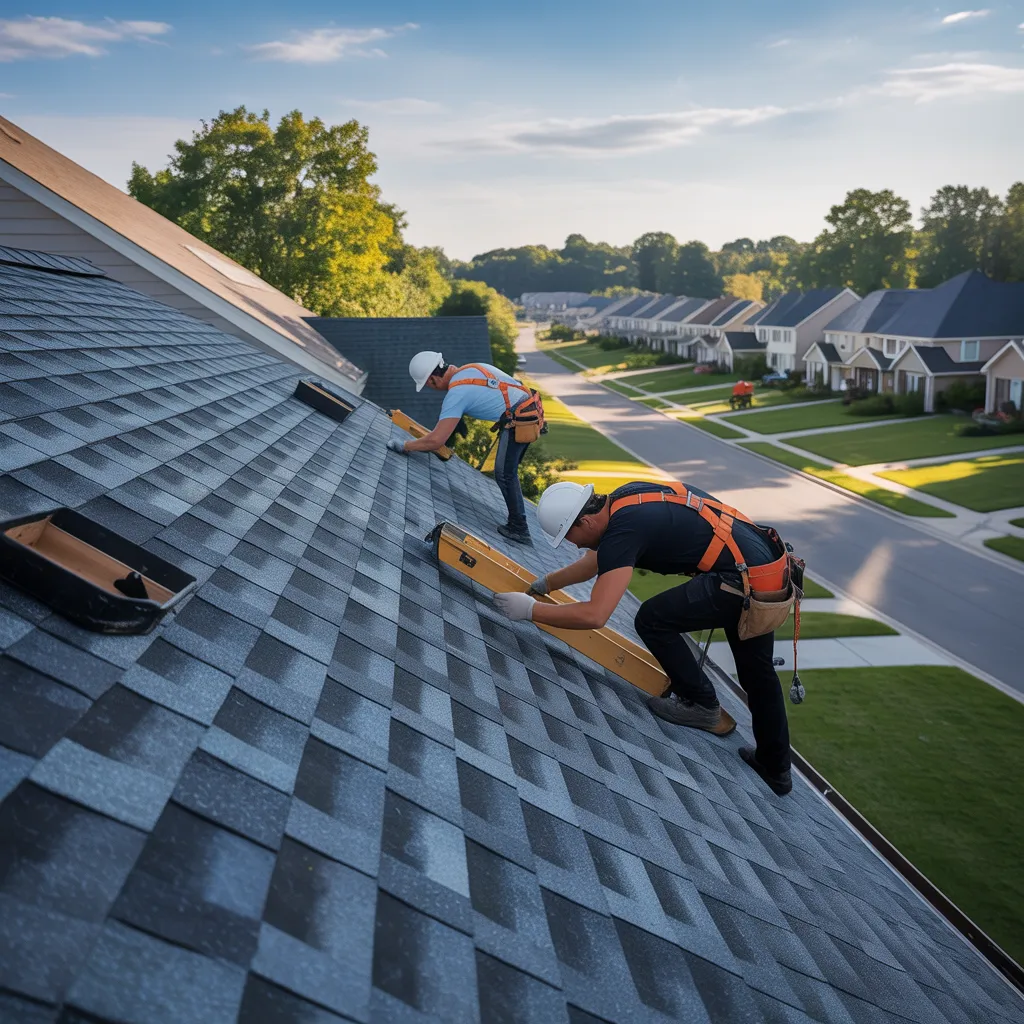
Why Choosing the Best Roofing Contractor Is Essential
How vital is it to pick the right roofing contractor? The appointment of a roofing contractor greatly impacts the longevity and productivity of the roofing system. An poorly installed roof can lead to leaks, structural damage, and increased energy costs, ultimately compromising the home's safety. A established contractor provides adherence with local building codes and applies high-quality materials, contributing to a robust and stable roof. Additionally, experienced contractors supply valuable insights into the best roofing solutions adapted to specific needs, fortifying overall home protection. A improperly selected contractor, conversely, may result in subpar workmanship and unforeseen expenses. This decision holds long-term repercussions; accordingly, thorough examination and scrutiny are essential. Engaging a trustworthy contractor not only secures the roof but also fosters peace of mind for homeowners, knowing their investment is safeguarded. Ultimately, selecting the right roofing contractor is foundational to maintaining the integrity of the home.
Vital Elements to Examine in Your Roofing Service Provider
Determining the right roofing professional calls for thorough evaluation of several qualities that guarantee a completed project. First, a reputable contractor should have proper credentials and insurance, ensuring compliance with local regulations and protection against likely liabilities. Knowledge in the roofing industry is vital, as it shows a contractor's ability to handle various issues proficiently.
Moreover, robust dialogue abilities are vital; a competent contractor guarantees clients receive updates throughout the project, handling concerns immediately. Trustworthiness is another critical quality, showing that the contractor can stick to timelines and commitments.
Furthermore, a strong portfolio displaying past work can provide understanding into the contractor's workmanship and style. Finally, positive customer testimonials and endorsements serve as a indicator of their reputation and service quality. By assessing these key qualities, homeowners can make an informed choice when choosing a roofing expert to protect their homes effectively.
Critical Roofing Materials: Types and Benefits
Roofing items play an essential role in the endurance and design of a home. Various categories are available, each with notable strengths. Asphalt shingles are popular due to their economical price and easy setup, making them suitable for many homeowners. Metal roofing, known for its long-lasting nature and ability to resist severe weather, can be a more sustainable choice, often reflecting heat to reduce energy costs.
Clay and concrete tiles offer exceptional durability and a classic appearance, while slate roofing is widely praised for its elegance and lifespan, although it comes at a premium cost.
Wood shakes give a natural aesthetic, but they need more attention. In the end, composite materials, such as rubber or polymer shingles, incorporate the strengths of conventional materials while being lightweight and environmentally friendly. Choosing the suitable roofing material is vital for ensuring both safeguarding and design appeal, ultimately raising the home's value.
Evaluating Roofing Estimates: What to Look For
When evaluating a new roof, comparing quotes from roofing contractors is a key component in the selection journey. Homeowners should emphasize important factors to ensure they obtain a equitable and comprehensive proposal. First, it is crucial to analyze the extent of work contained in each estimate, incorporating materials, labor, and any supplementary services. Detailed itemization facilitates comprehension of what is included.
Next, homeowners should seek out guarantees on both materials and workmanship. A reputable builder often offers a warranty that safeguards against defects. Additionally, the schedule for project completion should be clearly defined, as delays can impact planning and budget.
Ultimately, it's advisable to assess the contractor's credibility through reviews and credentials, confirming they have a background of quality work. By diligently evaluating these components, homeowners can arrive at sound conclusions that best address their needs and resources.
Why Authorizations and Security Are Fundamental?
A solid foundation for any roof work copyrights on the contractor's insurance and licensing. Licensing ensures that the contractor has met particular industry standards and regulations, exhibiting a focus on quality and professionalism. It serves as a protection for homeowners, indicating that the contractor is capable to execute the work required.
Insurance, by contrast, protects both the contractor and the homeowner from possible legal exposure. In the case of accidents or damages during the roofing process, insurance provides coverage, guaranteeing that financial burdens do not fall on the homeowner. Without proper insurance, a homeowner might face significant out-of-pocket expenses if something goes wrong.
Together, licensing and insurance not only enhance the contractor's trustworthiness but also offer peace of mind to homeowners. Hiring a skilled, authorized, and covered roofing contractor ultimately adds to the lasting safety and worth of the home.
Key Topics for Your Roofing Contractor?
How can property owners ensure they choose the right roof contractor? One practical method is to prepare a set of essential questions to ask prospective contractors. Property owners should ask regarding the contractor's background and essential guide previous work to evaluate their expertise. It's also vital to ask for testimonials and feedback from previous clients, which can offer useful information into the contractor's reliability.
Another primary issue examines the supplies and approaches the contractor plans to use, validating they align with industry standards. Homeowners should also verify that the contractor is adequately licensed and insured, delivering protection against potential risks. Also, covering the project timeline and payment structure can assist in setting clear expectations. In closing, homeowners should inquire regarding warranties on labor and materials both, supplying assurance of quality and durability. By posing these targeted inquiries, property owners can make informed choices, ensuring their roof project is executed efficiently and effectively.
How a Premium Roof Adds to Your Home's Worth
Investing in a quality roof not only defends a home but also greatly enhances its market value. A expertly built roof works as a protective barrier against the elements, cutting down the risk of water damage and structural issues. Homebuyers often value the shape of the roof, as it directly impacts their potential maintenance costs.
Additionally, a aesthetically pleasing roof can elevate the overall aesthetic of a property, making it more attractive to potential purchasers. Different roof types and styles can also affect property worth; high-quality materials such as slate or metal tend to yield higher returns on investment.
Furthermore, a new roof can strengthen fuel economy, causing reduced utility bills, which is an engaging feature for eco-conscious buyers. All things considered, a excellent roof not only affords peace of mind but also works as a key asset in optimizing a home's value in a fierce real estate market.
Commonly Asked Questions
What Timeframe is Needed for a Typical Roofing Project to Finish?
A conventional roof job normally takes from a few days to a week to complete. Aspects such as how large the roof is, climatic factors, and material type can determine the total length of the task substantially.
What Warranty Plans Include Roofing Projects?
Numerous kinds of coverage options for roofing services can be found, including manufacturer warranties that protect materials and labor guarantees from contractors. These warranties typically last from a few years to several decades, contingent upon the materials used and the contractor's policies.
What Can I Do to Protect My Roof Once It's Been Installed?
After installation, a roof should be maintained through consistent checks, debris removal, gutter cleaning, and swift repair of any damage. Additionally, professionals recommend periodic maintenance checks to guarantee longevity and peak performance.
What Can I Take Action if My Roof Leaks?
If a roof is damaged with leaks, the resident should identify the point of the leak, contain any water damage, and engage a professional for work. Swift action forestalls prolonged deterioration and guarantees the roof integrity.
Is It feasible to add a new Roof Over an old One?
Yes, putting a new roof over an existing one is feasible, as long as the current roof is in excellent shape and local building codes permit it. This method can reduce installation time and reduce costs significantly.